Best Backup Power for Your Home During an Outage
Generator, power station, home battery or your EV? Compare power, runtime, fuel and price, then match it to how long outages last in your state.
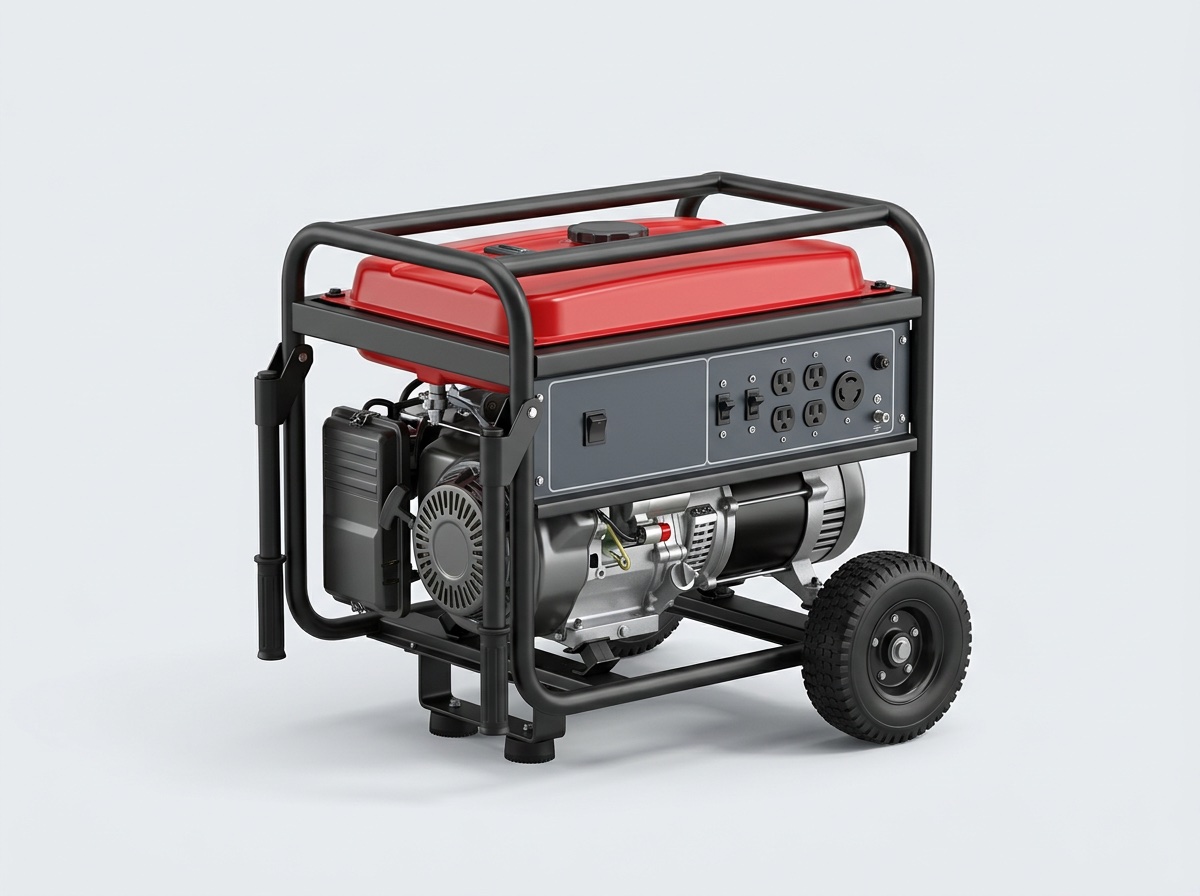
Portable generator
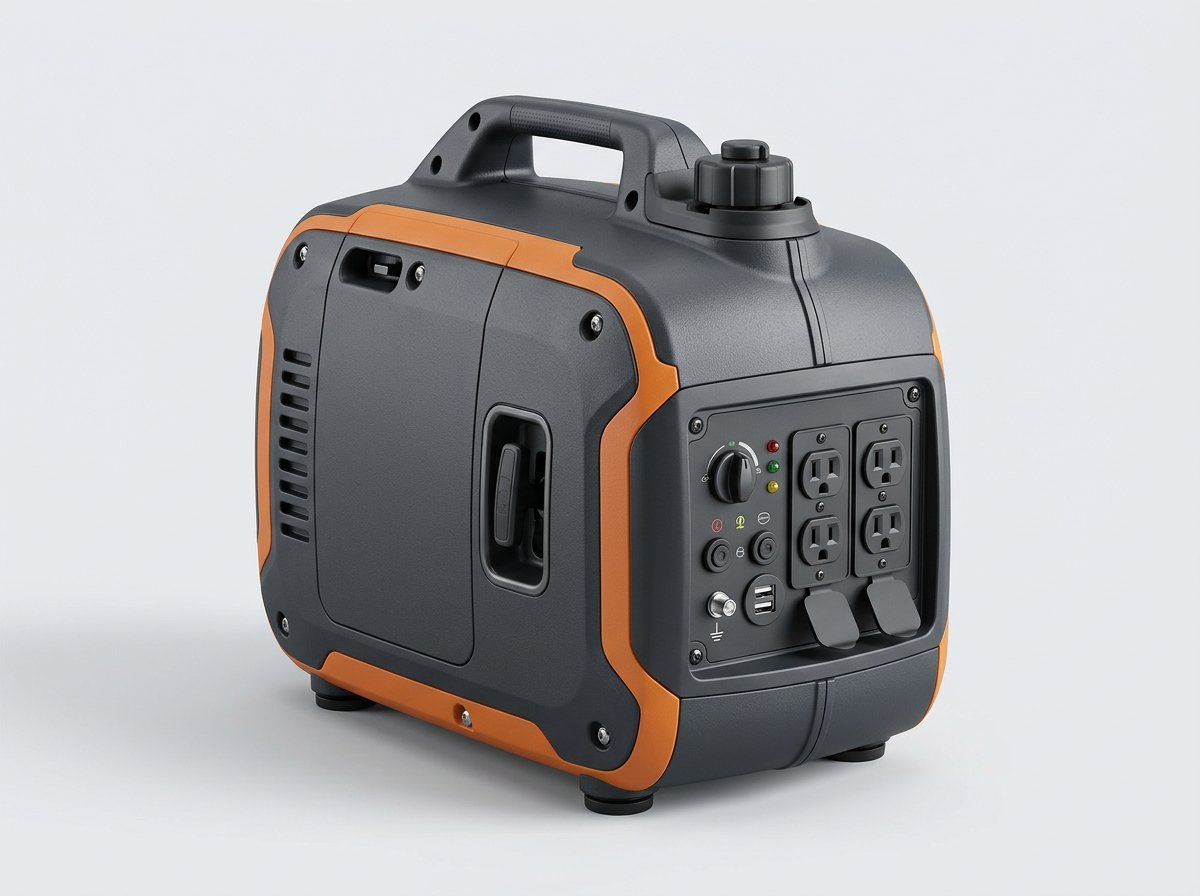
Inverter generator
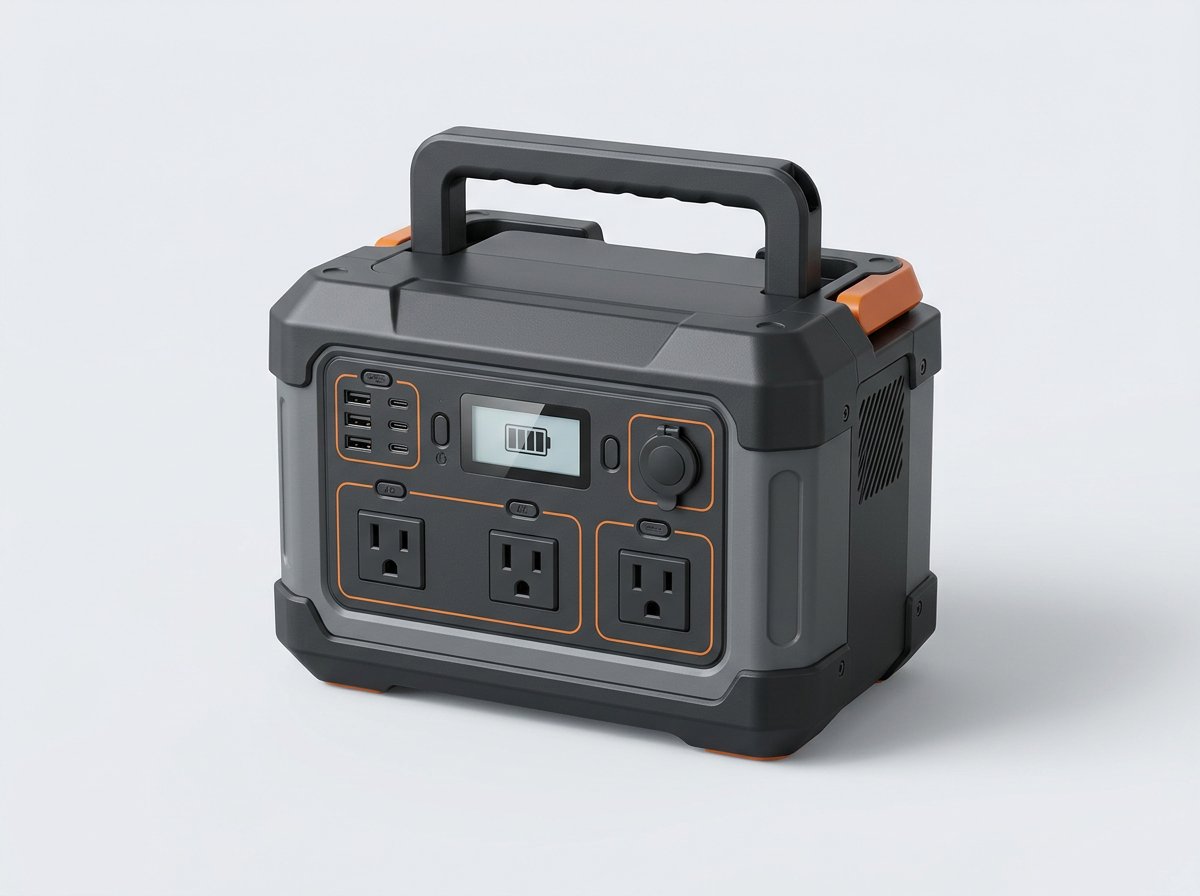
Power station
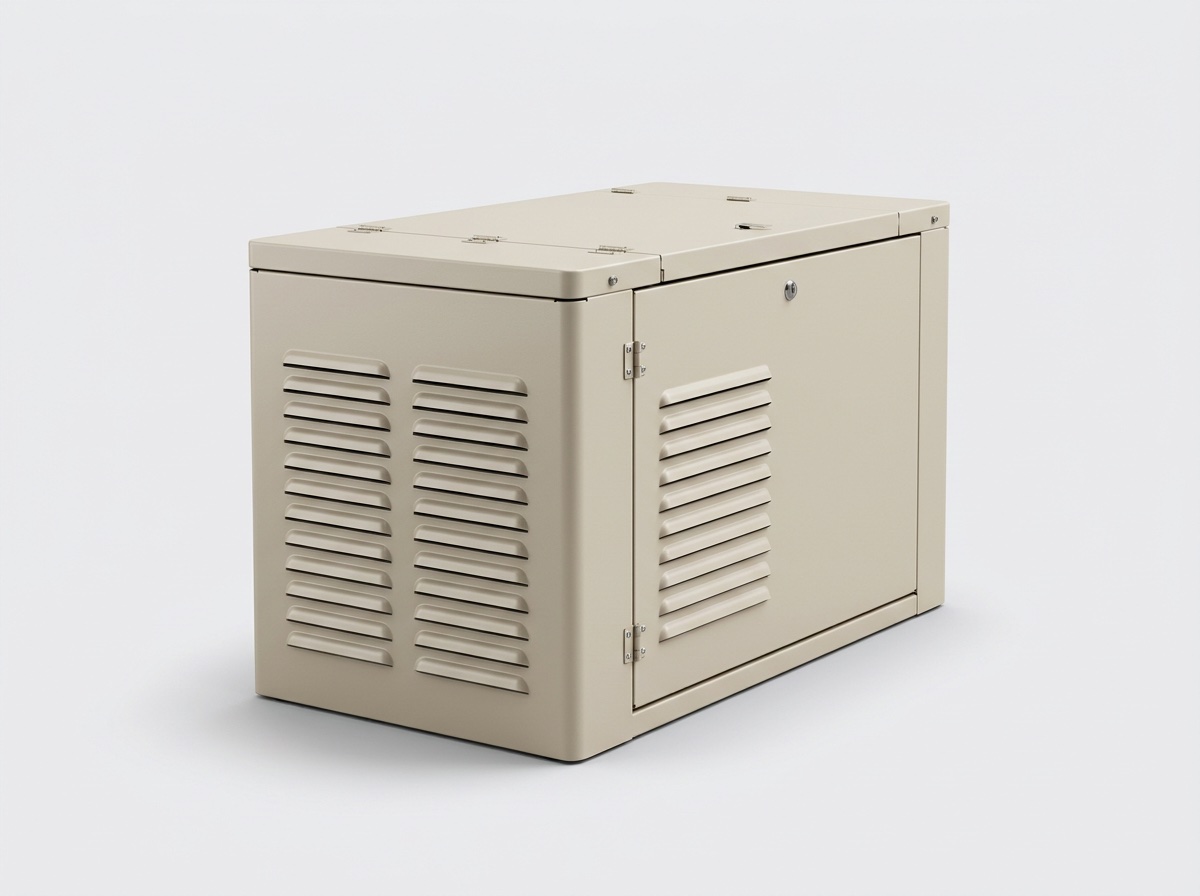
Standby generator
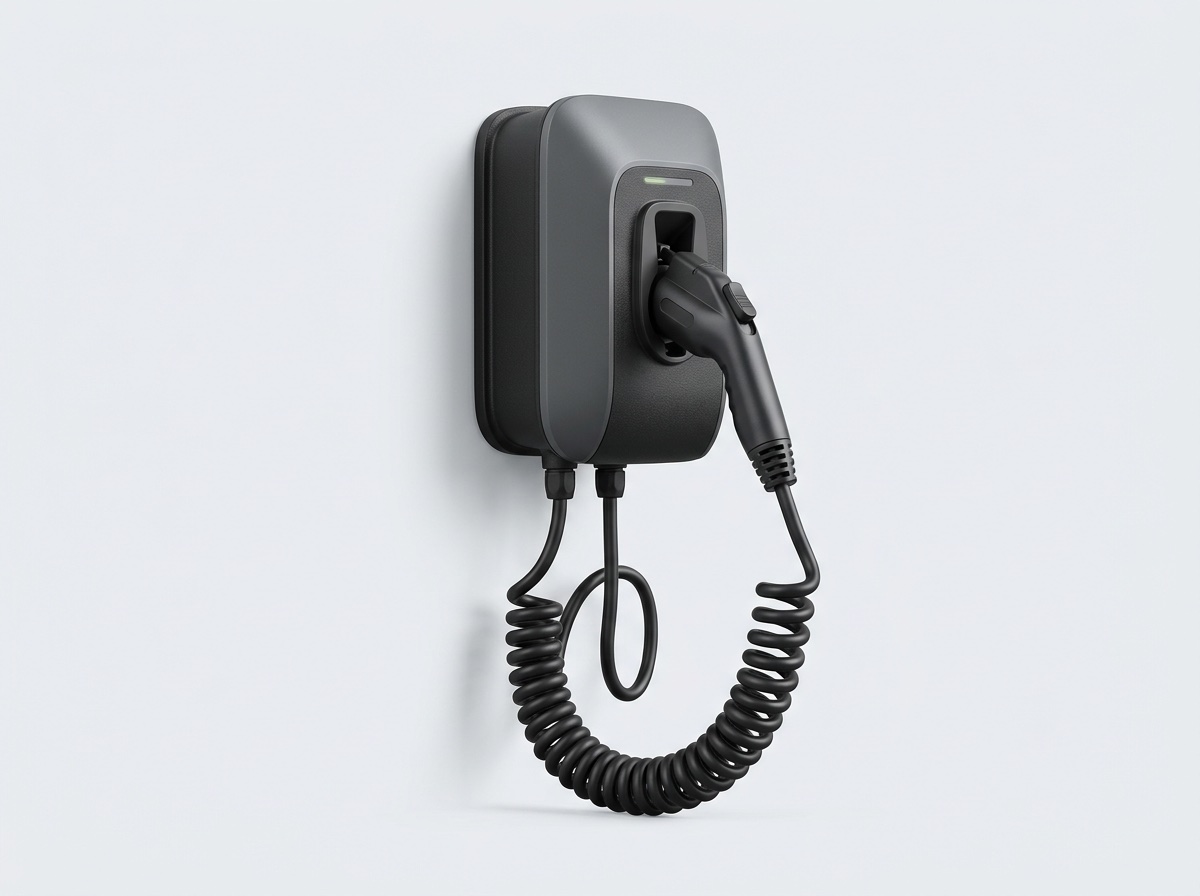
Your EV
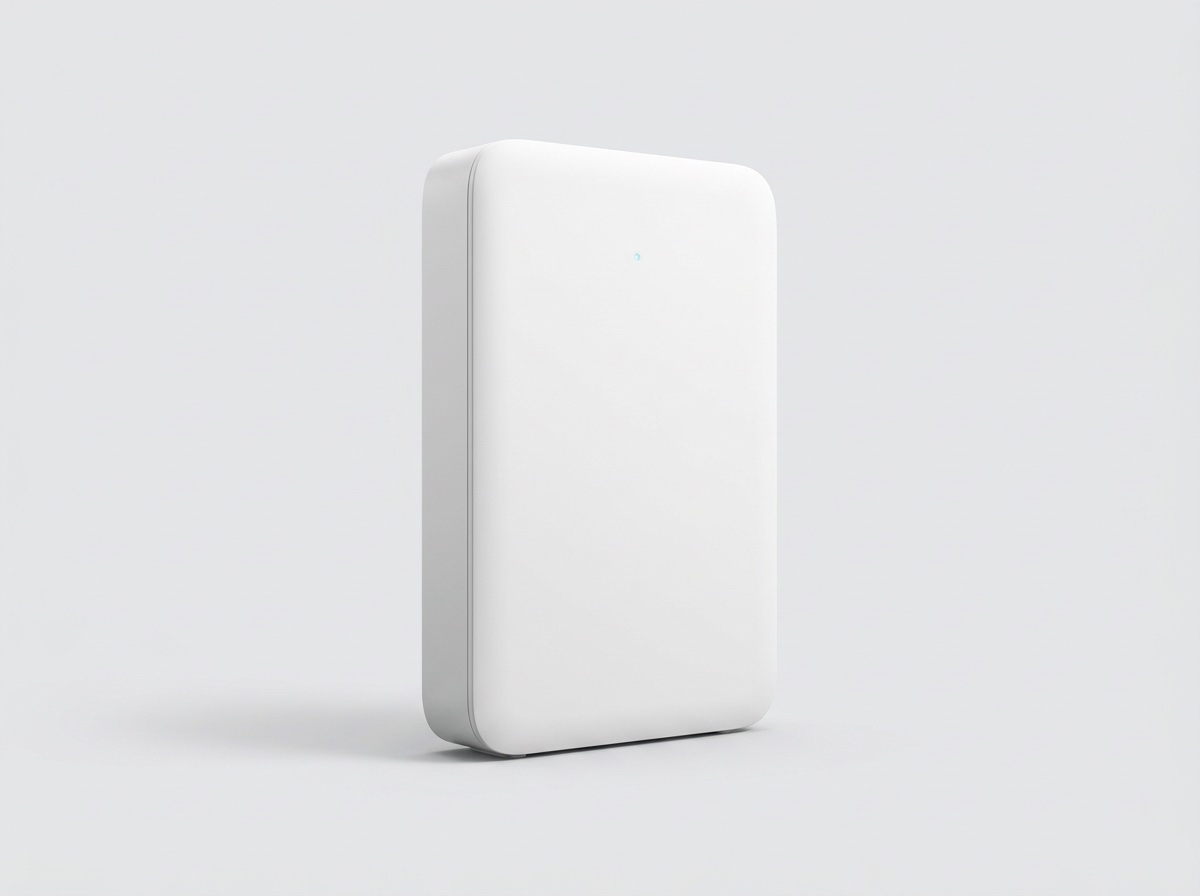
Home battery
On this page 7 sections
The best backup power for your home depends on two things: how long your outages last and what has to keep running. For a few hours of fridge, lights and Wi-Fi, a portable power station or a small inverter generator is plenty. For multi-day storms, a well pump or central air, you need a generator with 240-volt output, or a standby generator on natural gas or propane. A home battery or an EV with vehicle-to-home backup is the quiet, no-fuel choice for outages measured in hours, and stretches to days only if you ration or have solar.
Below are the six options side by side, the outage numbers for your state, four typical households, and what each one costs in fuel when the power stays off for three days.
Start with two questions: how long, and what has to stay on
Short answerThe length of your outages decides between battery and fuel; your biggest motor decides how much power you need.
How long. The average U.S. customer was without power for about 11 hours in 2024, nearly double the average of the decade before, mostly because of three hurricanes (federal data from the EIA). In 2025 that dropped to about 4.4 hours. Strip out the big storms and the average has sat around 2 hours a year for a long time. So for most homes, most years, outages are short. The ones that hurt are the rare long ones, and those are the ones you’re buying for.
What has to stay on. Make a short list and mark anything with a motor and anything on 240 volts:
- Small and steady: fridge, freezer, router, LED lights, phone chargers, a CPAP. These add up to little.
- Motors that surge when they start: fridge compressor, sump pump, furnace blower, well pump, central air. A motor can briefly draw 3 to 6 times its running watts.
- 240-volt loads: most well pumps, central air, electric water heaters. These need a generator, battery or power station that puts out 240 volts, not just 120.
A gas furnace still needs electricity for its blower (300 to 800 watts running, 800 to 1,600 to start, per Champion’s wattage chart), so “we heat with gas” doesn’t mean you’re covered in a winter outage.
To turn your list into a number, use What size generator do you need?. For this article, rough categories are enough.
Four questions narrow it down fast:
- Do your bad years bring outages of a day or more? Yes: lean toward fuel (generator). No: a battery or power station covers most of what you’ll see.
- Do you need 240-volt loads (well pump, central air)? Yes: rule out 120-volt-only generators and power stations.
- Do you have a natural gas line? Yes: a standby generator becomes the low-effort option for long outages.
- Do you have an EV with vehicle-to-home, or solar? Yes: a battery-based setup can stretch from hours to days.
The six options at a glance
Short answerGenerators win on long outages and big motors; batteries and power stations win on quiet, no fuel and no upkeep; standby units and home batteries switch on by themselves but cost the most.
Prices below are ranges with the type of source and the date. “Solid” means a manufacturer list price; “rough” means installer, dealer or comparison-site estimates. Installed prices depend on your panel, gas line and permit fees, so get at least two quotes.
| Option | Example | Power and 240V | How long it runs | Fuel | Hookup | Upkeep | Price (source, date) |
|---|---|---|---|---|---|---|---|
| Inverter generator | Honda EU2200i | 1,800 W running, 2,200 W max; 120V only | 8.1 h at 1/4 load, 3.2 h at full load on 0.95 gal | Gasoline | Extension cords | Oil changes, fresh or stabilized fuel | $1,099 to $1,199Rough price · dealer listings, 2026 |
| Conventional portable generator | Generac GP7500E dual fuel | 7,500 W running, 9,400 W starting on gas; 6,800 W on propane; 120/240V | At half load: about 10 h on a 7.5-gal tank, about 5 h on a 20-lb propane cylinder | Gasoline or propane | Inlet plus interlock or transfer switch, installed by an electrician | Same as above, plus refueling every 10 hours or so | $999 to $1,199Rough price · retail listings, Nov 2026Hookup extra |
| Standby generator | Generac Guardian 10 to 26 kW | 10 to 26 kW; 240V; whole house possible at 20 to 22 kW | As long as the gas flows (natural gas) or the tank lasts (propane) | Natural gas or propane | Automatic transfer switch; permit, pad, gas line | Yearly service, $150 to $600Rough price · contractor pages, 2026 | $5,000 to $25,000 installed, $10,000 to $15,000 typicalRough price · installer and comparison sites, 2025-2026 |
| Portable power station | Anker SOLIX F3800, EcoFlow DELTA Pro 3 | 4,000 to 6,000 W; F3800 does 120/240V, many units are 120V only | 3.8 to 4.1 kWh per charge; hours to a day, depending on load | Wall outlet or solar panels | Plug appliances in with cords; a panel connection depends on the model and your electrician | Almost none | $2,199 to $3,999Rough price · retail and comparison sites, 2026 |
| Home battery | Tesla Powerwall 3 | 11.5 kW continuous; starts motors up to 185 A; 240V | 13.5 kWh per unit; recharges from the grid or solar | Grid or solar | Wired to your panel by an installer | Almost none | About $12,000 to $16,000 installed per unitRough price · installer estimates, 2026 |
| Your EV (vehicle-to-home) | Tesla Model 3/Y or Cybertruck with Powerwall 3; Chevrolet Silverado EV with GM Energy kit | Up to about 9.6 to 12.8 kW depending on car and equipment | Two to three days for a 30 kWh-a-day home (Tesla); Silverado EV up to 21 days (GM’s claim) | The car’s battery | Bidirectional charger plus home equipment, certified installer | Almost none | GM Energy bundle $7,299 plus installationOlder price · GM price as reported, Apr 2024 · check before you buy |
A few things the table can’t show:
- Noise. Honda rates the EU2200i at 53 dB at a quarter load and 62 dB at full load. Batteries and power stations have no engine at all; for other generators, compare the dB figure on the spec sheet and the load it was measured at.
- Starting big motors. Generators are rated in watts; batteries often in amps (LRA). Multiply amps by 240 volts to compare: the Powerwall 3’s 185 A is about 44,000 watts for one second, more than enough for most well pumps and many central air units. Check the LRA on your condenser’s nameplate if you want to run central air; sources disagree by a factor of three on what a 3-ton unit needs (Champion says 5,000 to 6,000 starting watts, Generac 15,000 to 18,000).
- Carbon monoxide. Every portable generator has to run outside, at least 20 feet from windows and doors (CPSC and CDC). A standby unit is installed to the manufacturer’s clearances (Generac: at least 5 feet from windows, doors and vents, and 5 feet of open space above) and your local code. The Consumer Product Safety Commission put the toll at nearly 100 deaths a year from portable generator exhaust in its February 2026 storm warning. If you buy a portable, choose one with a CO shutoff; see generators with CO shutoff and generator safety.
For a deeper head-to-head between the two most expensive choices, read home battery or standby generator.
How long outages last where you live
Short answerIn most states the average year is a few hours, but one bad storm season can bring a day or more. Plan for your state’s bad year, not its average.
The EIA publishes the average number of minutes each customer is without power, per state, every year. Here are four recent years, converted to hours, including major storms:
| State | 2022 | 2023 | 2024 | 2025 | Worst of the four |
|---|---|---|---|---|---|
| South Carolina | 5.0 | 2.8 | 52.6 | 2.6 | 52.6Helene |
| Maine | 16.1 | 31.1 | 29.1 | 6.1 | 31.1 |
| Texas | 3.4 | 9.7 | 26.9 | 3.5 | 26.9Beryl |
| North Carolina | 8.1 | 4.4 | 25.3 | 3.2 | 25.3 |
| Florida | 16.9 | 2.9 | 24.8 | 1.2 | 24.8 |
| Georgia | 3.5 | 5.7 | 20.1 | 4.5 | 20.1 |
| Michigan | 8.7 | 18.8 | 8.0 | 10.1 | 18.8 |
| Massachusetts | 2.8 | 4.4 | 1.7 | 2.0 | 4.4 |
| Arizona | 2.3 | 1.7 | 1.4 | 1.1 | 2.3 |
Source: EIA Electric Power Annual, table 11.4 (SAIDI, all events), our conversion from minutes to hours.
Two things to keep in mind. These are averages over every customer in the state: South Carolina’s 53 hours in 2024 is a mix of homes that got power back quickly and homes that waited far longer. And your street can be very different from your state, depending on your utility, overhead lines and trees.
How to read it for your choice:
- Short, frequent outages (Arizona, Massachusetts in most years): a power station or home battery covers nearly every outage you’ll have.
- Rare but long outages (the Southeast in hurricane years, Maine in ice storms): you want fuel. A battery alone won’t carry a whole house through two days.
- Both (Michigan, Maine): a standby generator, or a battery for the short ones plus a portable generator for the long ones.
All 50 states and DC, with ten years of data, are in How long does the power go out in your state?
Which option fits which household
Short answerMatch the option to your biggest load and your worst likely outage. Four common situations:
City condo or townhouse, no yard
You can’t run a generator 20 feet from every window on a balcony or in a shared garage, so don’t. A portable power station is the answer. Daily use for the essentials, worked out:
- Fridge: about 450 kWh a year, or roughly 1.2 kWh a day (DOE’s reference figure; the 1,000-plus watts on the nameplate is a maximum, not what it uses)
- Router and modem: 10 to 20 W around the clock; at 15 W, about 0.36 kWh
- Six LED bulbs at about 10 W for 5 hours: 0.3 kWh
That’s roughly 1.9 kWh a day. A 3.8 kWh power station like the Anker SOLIX F3800 covers about a day and a half to two days after inverter losses (we assume about 10 percent), longer with a solar panel on the balcony. A smaller 2 kWh unit delivers about 1.8 kWh after losses: almost a day. One 13.5 kWh home battery would cover the same essentials for about six days (13.5 × 0.9 ÷ 1.9 ≈ 6.4), so six days or more if you keep it to fridge, router and a few lights.
Suburban house with a natural gas line
This is the case for a standby generator on natural gas: it starts by itself and doesn’t need refueling as long as the gas supply holds and your gas meter can supply the generator plus your furnace and water heater. Generac says a home of about 2,000 square feet usually needs 20 or 22 kW for the whole house, and 10 to 18 kW covers essential circuits in a home around 1,550 square feet. Ask the installer to check the meter size and gas line; that’s where quotes jump.
The budget alternative: a 7,500-watt dual-fuel portable on an inlet and interlock or a manual transfer switch. You’ll drag it out, start it and refuel it every 10 hours or so, but it can run the furnace blower, fridge, sump pump and some circuits. See how to connect a generator to your house.
Rural house with a well
The well pump decides. A 1/2 hp pump runs on 750 to 1,000 watts but needs 1,500 to 2,000 watts to start, and a 1 hp pump 2,000 to 4,000 (Champion). Many well pumps are 240 volts; check the pump’s control box or nameplate. That rules out every 120-volt-only option, including the Honda EU2200i and many power stations.
What works: a portable generator with a 240-volt outlet and enough starting watts for the pump plus whatever else is running, a standby generator, a home battery (185 A of start is plenty for a typical pump), or a large 240-volt power station. Read what size generator runs a well pump and can a power station run your well pump before you buy.
EV owner
If your car supports vehicle-to-home, you already own a big battery. A Tesla Model 3 or Y ordered from October 1, 2026, can back up a house through a Powerwall 3 at up to 11.52 kW, enough for more than two days in a home using 30 kWh a day; a Cybertruck for about three. GM’s Silverado EV can deliver 10.2 kW from a 200 kWh pack with the GM Energy equipment. The catch: you need specific hardware and an installer, the list of supported models changes every few months, and plain “vehicle-to-load” (an outlet in the car, like the Hyundai Ioniq 5’s 1.9 kW adapter) won’t run your house. Ford has ended production of the electric F-150 Lightning, so check support before you build a plan around one. The full list is in Can your EV power your house?
What it costs to run each option through a three-day outage
Short answerFuel for a three-day outage costs from about $35 for a small inverter generator on light loads to about $500 for a 22 kW standby on propane. A home battery doesn’t burn fuel; refilling it from the grid once the power is back costs under $3. The purchase price matters far more than fuel.
Our calculation uses manufacturer fuel figures and national average prices from the EIA: gasoline $4.153 a gallon and residential propane $2.820 a gallon (week of November 2, 2026), natural gas $15.34 per 1,000 cubic feet (2025 average), electricity 18.16 cents per kWh (August 2026).
| Setup | Load | Fuel over 72 hours | Cost |
|---|---|---|---|
| Honda EU2200i on gasoline | About 450 W (fridge, lights, router, TV) | 0.95 gal per 8.1 h = about 8.4 gal | About $35 |
| Generac GP7500E on gasoline | Half load, 3,750 W | About 0.75 gal per hour = 54 gal | About $224 |
| Generac GP7500E on propane | Half load | 5 h per 20-lb cylinder = about 15 cylinders | Depends on refill or exchange price |
| Generac 10 kW Guardian on propane | About 5 kW | About 1 gal per hour = 72 gal (Generac’s own example) | About $203 |
| Generac 22 kW Guardian on natural gas | Half load, about 10.5 kW | 204 cubic feet per hour = 14,688 cubic feet | About $225 |
| Generac 22 kW Guardian on propane | Half load, 11 kW | 2.53 gal per hour = 182 gal | About $514 |
| Powerwall 3 | One full charge of 13.5 kWh: about six days of essentials (1.9 kWh a day), less than half a day at 30 kWh a day | No fuel; recharged from the grid after the outage | About $2.45 to $2.70 per full recharge, including charging losses |
Notes on the math: generators don’t run nonstop in practice (standby units need cool-down periods and you’ll switch a portable off at night), propane delivery fees and tank rental aren’t included, and 54 gallons of gasoline is more than most people can safely store. That last point is why a portable on gasoline is really a plan for outages of a day or two unless you can get fuel during the storm. More in How long will a generator run?
Per kilowatt-hour, the same data gives about $0.28 for a standby on natural gas, $0.65 on propane, and $0.69 to $1.08 for a small inverter generator on gasoline, against about $0.18 from the grid.
Over ten years, the picture is mostly the purchase. A standby generator adds yearly service ($150 to $600, rough) and fuel only when the power is out. A home battery or power station adds almost nothing until its battery wears out. We build out the full ten-year comparison, with three outage scenarios, in What backup power really costs over ten years.
Generac’s management told investors in February 2026 that batteries are not yet a replacement for long-duration backup because of their cost per kWh. That matches the math: one Powerwall 3 stores 13.5 kWh, less than half a day for a home using 30 kWh, while a standby on natural gas keeps going.
Rules that change the choice
Short answerThe federal tax credit for home batteries is gone for anything installed after 2025, and California is phasing out new gas portable generators by model year 2028. Neither affects what you already own.
Tax credits. The 30 percent residential clean energy credit (section 25D), which covered home batteries of 3 kWh or more, does not apply to expenses made after December 31, 2025. The IRS counts the expense when the installation is complete, so a battery paid for in 2025 but finished in 2026 does not qualify. Generators never qualified. Many installer pages still quote “30 percent off”; leave that out of your math. Details in tax credits for home batteries and generators after 2025.
California. Under the state’s small off-road engine rule, new portable generators sold in California must meet a stricter emission standard from model year 2024 and a zero-emission standard from model year 2028, according to the California Air Resources Board fact sheet. The rule does not restrict owning, using or repairing a generator you already have, stores may keep selling equipment built under a valid CARB certification, and diesel engines and engines in stationary equipment are outside the rule. Ask the seller to confirm how a particular standby model is treated. The EPA approved the rule in January 2025. A Senate resolution to overturn that approval was introduced in August 2026 and sent to committee; as of November 10, 2026, we found no vote. If you live in California and want a portable, look for CARB certification on the box. Power stations, home batteries and EVs don’t have engines and aren’t touched by this rule.
Next steps: size it, then plan the hookup
- Size it. List what has to stay on and work out running and starting watts, including 240-volt loads: What size generator do you need?
- Check your outage profile. Look up your state’s bad years: outages by state.
- Plan the hookup. Anything wired into your panel needs transfer equipment, and usually a permit. Never plug a generator into a wall outlet with a double-male cord: it can backfeed the grid and kill a line worker or a neighbor on the same transformer. Your electrician and your local inspector decide what’s allowed in your town: how to connect a generator to your house.
- Get two quotes for anything installed, and compare them line by line with what backup power costs over ten years.
Questions people ask
Can a home battery replace a generator in a long outage?
For a few hours to a day, yes. For outages of several days, usually not without solar to recharge it. One 13.5 kWh Powerwall 3 runs a fridge, router and a few lights for six days or more, but a whole house using 30 kWh a day for less than half a day. Generac's management has said batteries are not yet a replacement for long-duration backup because of their cost per kilowatt-hour.
Can a portable power station run a well pump?
Only if it has a 240-volt output and enough surge for the pump's start. A 1/2 hp well pump needs about 1,500 to 2,000 watts to start, and many well pumps run on 240 volts. A 120-volt-only unit can't run a 240-volt pump at all.
Is there still a federal tax credit for a home battery?
No, not for a battery you own. The 30 percent residential clean energy credit (25D) does not apply to installations completed after December 31, 2025. Generators never qualified.
Can you still buy a gas generator in California?
Yes, for now. New portable generators sold in California must meet a stricter emission standard from model year 2024 and a zero-emission standard from model year 2028. The rule does not restrict generators you already own, and it does not cover diesel engines or engines in stationary equipment.